World Cup 2026 Mexico: The Complete Insider Travel Guide
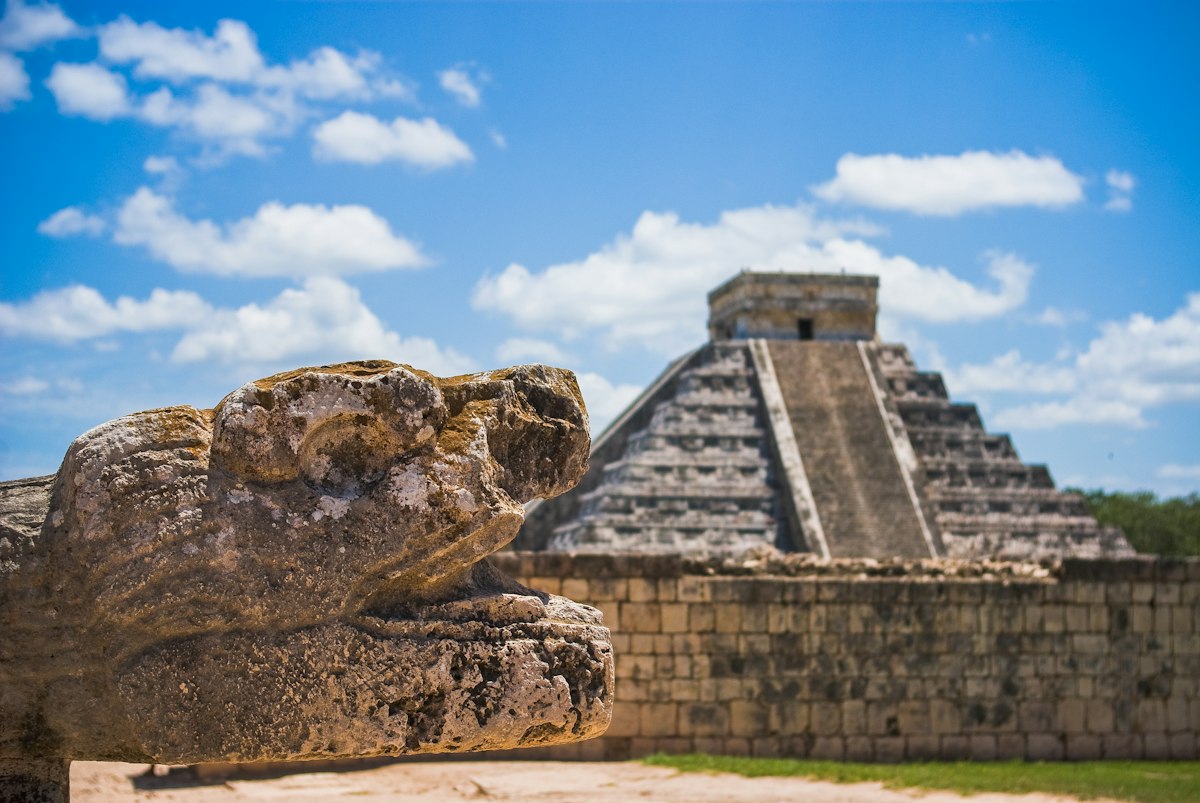
The FIFA World Cup 2026 is coming to Mexico, Canada, and the USA — and if you're planning to attend the Mexico matches, this is the only guide you need. Written by a real Mexican, for real fans.
The World Cup Is Coming to Mexico — Are You Ready?
The FIFA World Cup 2026 is the biggest sporting event in human history, and for the first time since 1986, Mexico is hosting. Three iconic cities — Ciudad de México, Guadalajara, and Monterrey — will welcome millions of fans from around the world between June and July 2026.
If you're planning to attend, this guide will save you from every tourist trap, help you eat where the locals eat, and give you the insider knowledge that most travel guides won't tell you. This isn't a generic travel article — it's written from the perspective of someone who actually lives here.
The Three Host Cities: What You Need to Know
Ciudad de México (CDMX) — The Beast
Mexico City is one of the largest cities on Earth, and it's hosting matches at the legendary Estadio Azteca — the only stadium in the world to have hosted two World Cup finals (1970 and 1986). This is hallowed ground for football.
CDMX is overwhelming at first: 22 million people, a metro system that carries 5 million passengers daily, and a food scene that rivals any city in the world. But once you understand how it works, it's one of the most exciting cities you'll ever visit.
The neighborhoods you need to know:
Roma Norte and Condesa are where most international visitors end up, and for good reason — they're walkable, safe, full of great restaurants and cafés, and well-connected to the rest of the city. Expect to pay more here than in other parts of the city, but the quality is consistently high.
Coyoacán is where Frida Kahlo lived and where the real CDMX soul lives. Visit the market, eat a tlacoyo, and walk through the cobblestone streets. It's about 45 minutes from the Azteca by metro.
Centro Histórico is the historical heart of the city — the Zócalo, the Metropolitan Cathedral, the ruins of the Templo Mayor. It's busy, chaotic, and absolutely worth a morning.
Getting to the Azteca: Take Metro Line 2 to Tasqueña, then the Tren Ligero (light rail) to Estadio Azteca. It's the cheapest and most reliable option. Avoid driving — traffic around the stadium on match days is catastrophic.
Guadalajara (GDL) — The Pearl of the West
Guadalajara is Mexico's second-largest city and, in many ways, its most authentically Mexican. This is the birthplace of mariachi, tequila, and the Mexican hat dance. The matches here will be played at Estadio Akron, home of Club Deportivo Guadalajara (Chivas) — one of the most passionate fan bases in Latin America.
GDL is more relaxed than CDMX, easier to navigate, and arguably has better food. The city is divided into distinct neighborhoods (colonias), each with its own character.
What to eat in Guadalajara:
Tortas ahogadas are the city's signature dish — a pork sandwich drowned in a spicy tomato sauce. The best ones are at Mercado San Juan de Dios. Order it bien ahogada (fully drowned) if you can handle heat.
Birria is another Guadalajara specialty — slow-cooked goat or beef in a rich chili broth. The version that's gone viral on social media (birria tacos with consommé for dipping) originated here.
Tejuino is a fermented corn drink sold by street vendors. It sounds strange, it tastes incredible. Get it with a scoop of lime sorbet on top.
Getting to Estadio Akron: The stadium is in Zapopan, about 20 minutes from the city center. Take the Macrobús (BRT) or use Uber — it's reliable and affordable in GDL.
Monterrey (MTY) — The Industrial Giant
Monterrey is Mexico's most economically powerful city — a modern, business-oriented metropolis surrounded by dramatic mountain scenery. The matches here will be played at Estadio BBVA, one of the most beautiful stadiums in the world, with the Cerro de la Silla mountain as a backdrop.
Monterrey is different from CDMX and GDL — it's more American in feel, more expensive, and less traditionally "Mexican" in its culture. But it has its own distinct identity and some of the best grilled meat in the country.
What to eat in Monterrey:
Carne asada is the religion of Monterrey. The city takes its grilled meat more seriously than anywhere else in Mexico. Go to any local carnicería (butcher shop) and ask for arrachera (skirt steak) or costilla (short ribs).
Cabrito (roasted baby goat) is the city's most traditional dish. It sounds extreme, it tastes extraordinary. Try it at El Rey del Cabrito in the city center.
Machaca is dried, shredded beef — a Monterrey breakfast staple. Order machacado con huevo (machaca with scrambled eggs) at any local breakfast spot.
Street Food: The Real World Cup Experience
The biggest mistake international fans make is eating at restaurants near the stadiums. These are tourist traps — overpriced, mediocre, and nothing like what Mexicans actually eat.
The real food is on the street, and it's extraordinary.
Universal rules for eating street food safely:
Look for vendors with long lines of locals — they're popular for a reason. Avoid anything that's been sitting out in the sun for a long time. Stick to cooked food rather than raw vegetables if your stomach isn't accustomed to Mexican bacteria. Drink bottled water, not tap water. Carry hand sanitizer.
Must-try street foods by city:
In CDMX: tacos al pastor (pork cooked on a vertical spit), tlayudas, elotes (corn on the cob with mayo, cheese, and chili), tamales from street carts in the morning.
In GDL: tortas ahogadas, birria tacos, tejuino, churros from the Mercado Libertad.
In MTY: carne asada tacos, machacado con huevo, pan dulce from local bakeries.
Transport: How to Get Around Without Getting Ripped Off
Uber and DiDi are your best friends in all three cities. They're safe, reliable, and significantly cheaper than taxis. Always use the app — never get into an unmarked taxi, especially in CDMX.
The CDMX Metro is the cheapest transport in the world at 5 pesos per ride (about $0.25 USD). It's crowded during rush hours but perfectly safe during normal hours. Download the Metro CDMX app for maps and routes.
Avoid renting a car in CDMX — parking is a nightmare, traffic is catastrophic, and the hoy no circula (no-drive days) program restricts certain license plates on certain days.
Safety: The Real Picture
Mexico's reputation for danger is significantly exaggerated by international media, but it's not zero. Here's the honest assessment:
The tourist areas of CDMX (Roma, Condesa, Polanco, Coyoacán), GDL (Providencia, Chapultepec, Centro), and MTY (San Pedro Garza García, Valle) are as safe as any major European city. The violence that makes international news is concentrated in specific areas that tourists never visit.
Practical safety tips:
Don't display expensive jewelry, cameras, or phones unnecessarily. Use ATMs inside banks or shopping malls, not on the street. Keep a small amount of cash in a front pocket and your main wallet in a secure bag. If someone demands your phone or wallet, give it to them — it's not worth your life.
Learn a few words of Spanish — even basic phrases show respect and make locals more likely to help you.
Budget: What Does the World Cup Really Cost in Mexico?
Mexico is significantly cheaper than the USA or Canada for daily expenses, which is great news for fans on a budget.
| Expense | Budget Option | Mid-Range | Splurge | |---------|--------------|-----------|---------| | Accommodation (per night) | $25-40 USD (hostel) | $60-120 USD (hotel) | $150-400 USD (boutique) | | Street food meal | $2-5 USD | — | — | | Restaurant meal | $8-15 USD | $20-40 USD | $50+ USD | | Metro/bus ride | $0.25-0.50 USD | — | — | | Uber (typical trip) | $3-8 USD | — | — | | Beer (local) | $1.50-3 USD | — | — |
A fan attending 3-4 matches in Mexico can have a complete, authentic experience for $1,500-2,500 USD total (excluding flights and match tickets), including accommodation, food, transport, and entertainment.
Essential Apps for Your Mexico Trip
Download these before you arrive:
Google Maps — works offline if you download the Mexico City, Guadalajara, or Monterrey maps in advance. Essential for navigation.
Uber — more reliable than local taxis in all three cities. Set up your account and payment method before you arrive.
Google Translate — the camera function (point your phone at text to translate it instantly) is invaluable for menus and signs.
WhatsApp — how Mexicans communicate. You'll need it to contact hotels, restaurants, and local contacts.
Your Complete Mexico World Cup Toolkit
This article covers the essentials, but the complete insider experience requires local knowledge that goes beyond what any public guide can provide.
The Real Mexa Guide — FIFA World Cup 2026 gives you everything else: neighborhood-by-neighborhood breakdowns of each host city, a street food bible with specific vendor recommendations, the exact phrases you need in Mexican Spanish (including the ones that will make locals laugh), a complete safety guide written by someone who grew up here, and budget breakdowns for every type of traveler.
It's the guide written by a real Mexican, for real fans who want the real Mexico — not the tourist version.
Enjoyed this article?
Share it with someone who needs it